
Digital Socialization and Audiovisual Creativity
Social Construction of the Image through Instagram
Abstract
Our digital world is becoming increasingly visual. Mobile applications focused on digital photography, such as Instagram, serve as vehicles for the creation, manipulation, and instant dissemination of images. Instagram is, therefore, an open window for research in Social Sciences and Digital Humanities, offering an opportunity to study how users of this application develop visual culture in their environments through global visual languages.
This study analyzes Instagram production in Granada based on a sample of 955,564 posts and 375,758 geolocated images collected over a year (from April 2017 to April 2018), aiming to show how the image of a city is socially constructed. The geographic, social network, and content analysis of the study sample has helped identify the main visual attraction points in the city, the most active neighborhoods and districts on Instagram, and the most relevant members of a self-constructed, heterogeneous, and open user network, featuring strong intermediary nodes with an “Instagrammer” style that connect sub-communities. Additionally, the study highlights the widespread use of the application for both business promotion and individual creativity development.
All of this illustrates how Instagram posts in Granada highlight the importance and impact of key aspects such as tourism, transforming the generated data into a showcase of the city’s image and the construction of local visual culture.


Access to digital copy in UGR Digibug repo

Podcast of the broadcast of the public defence of the thesis on 7/2/2019
Data Visualizations
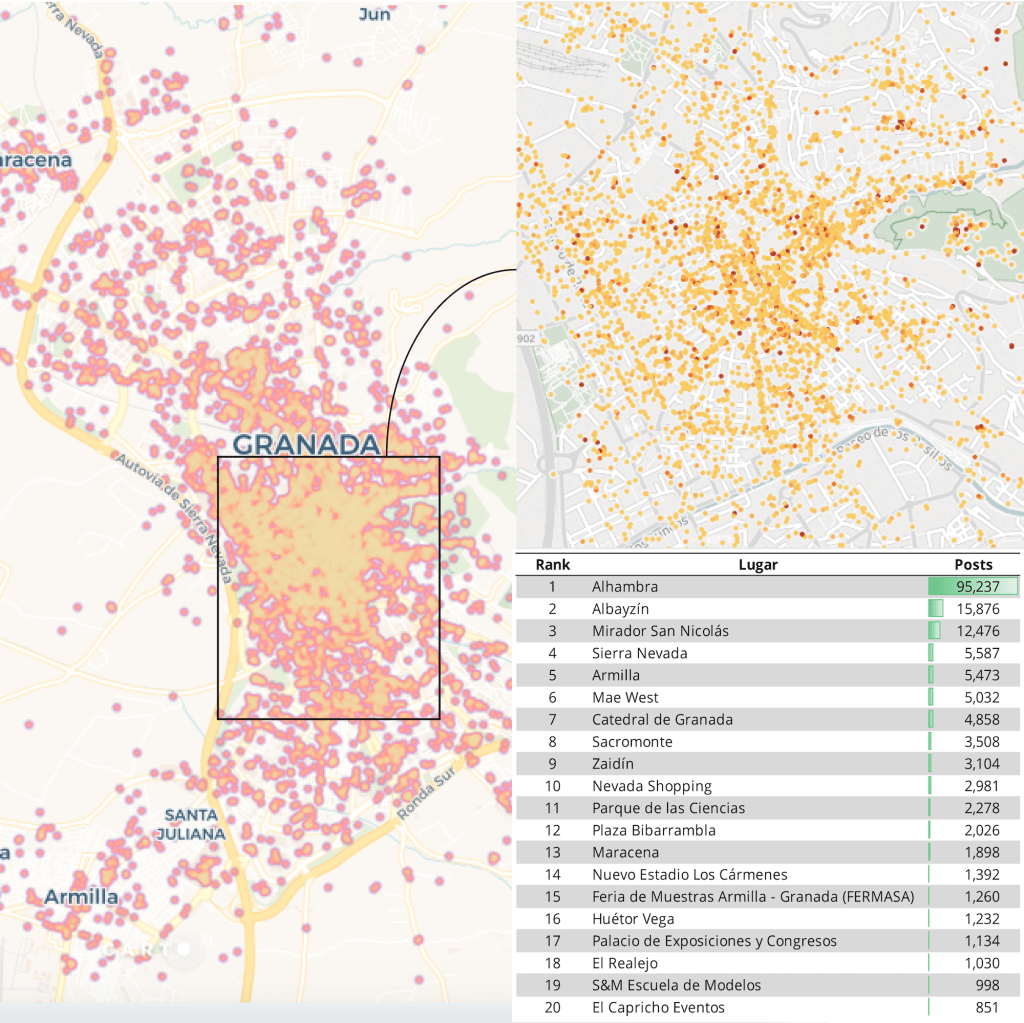
Map of main Instagram post locations in Granada

Map of main Instagram post locations in Granada (2)

‘Zoomable’ image of imagegrams

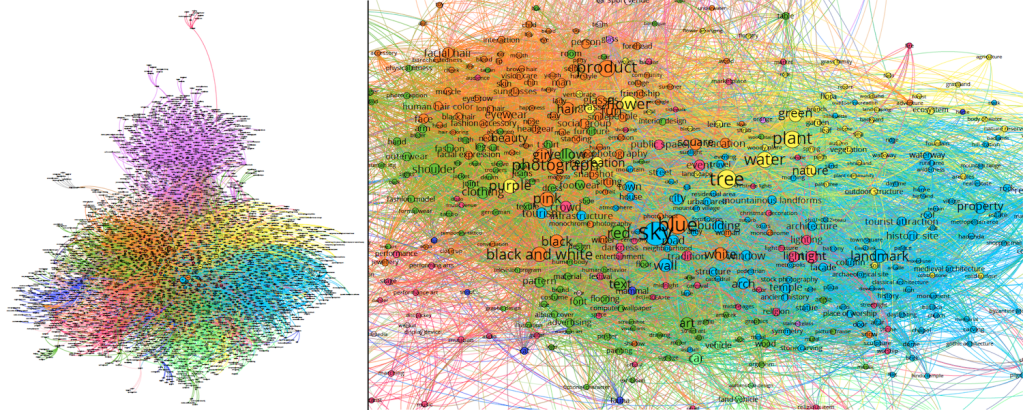


Interactive treemap with the detected content of the images published in Granada
Methodology
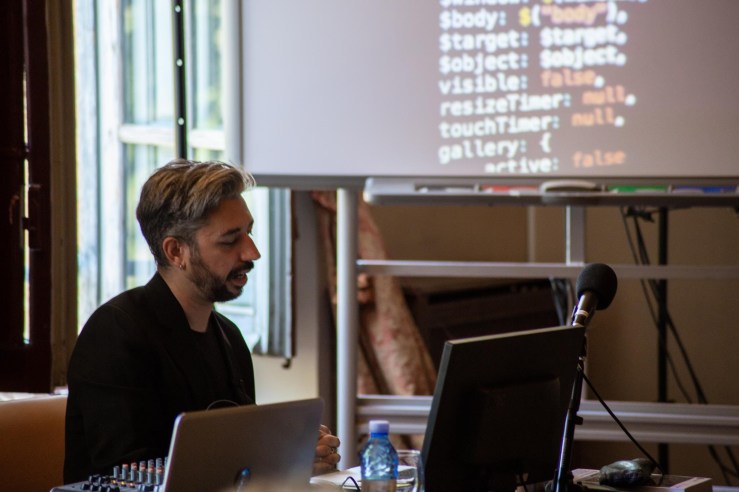
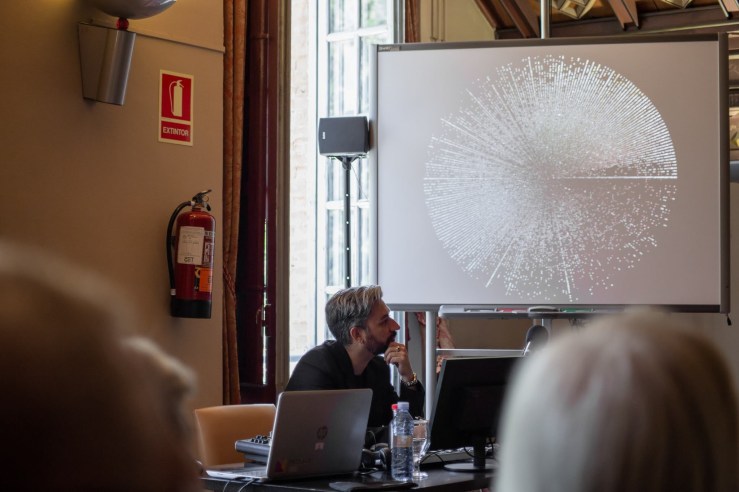
Presentation of the methodology used in the thesis at the VI International Congress on Research Methodologies in Communication.
Article on the methodology used in the thesis published in the journal Comunicación y Métodos.
Award
Thesis awarded by ATIC (Association of Universities with Degrees in Information and Communication) with an honorable mention in the category “Best Doctoral Theses in the field of Communication”, in its 2020 edition.

 Javi Cantón